Pokhara: where our field journal begins
Together in Pokhara, the Back to Kathmandu team began the conversations that will shape a documentary and travelling exhibition about mountain protection.
Our work in Nepal began together in Pokhara. This first stage brought the team around a shared task: listening to the people whose experiences can help us understand how relationships with mountain landscapes have changed.
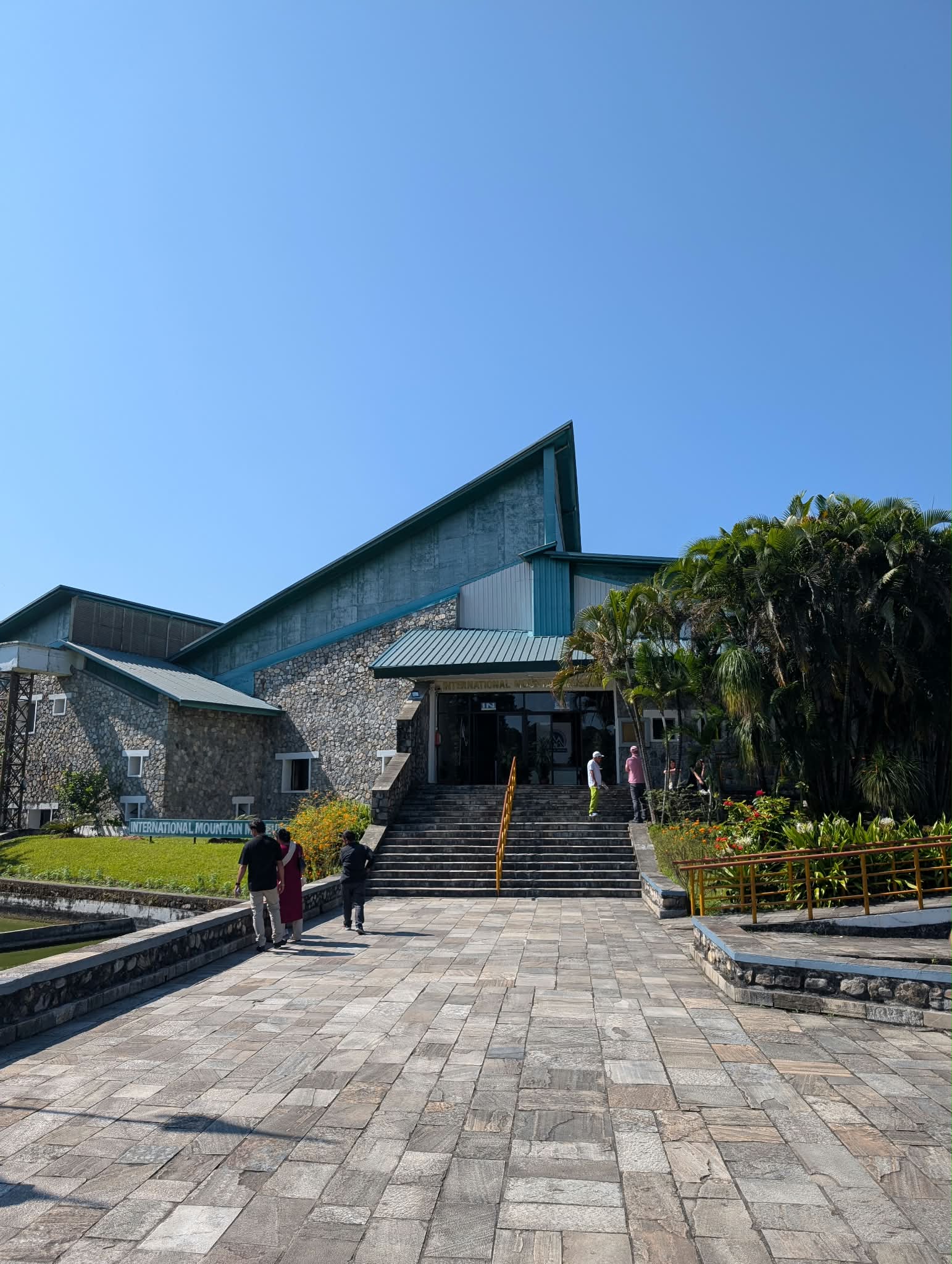
The International Mountain Museum provides a point of connection between that history and the questions we are asking today. How is the story of a mountain told? Who appears in that story? What do we choose to remember about the people who live there, the people who climb, and the activities that connect them?
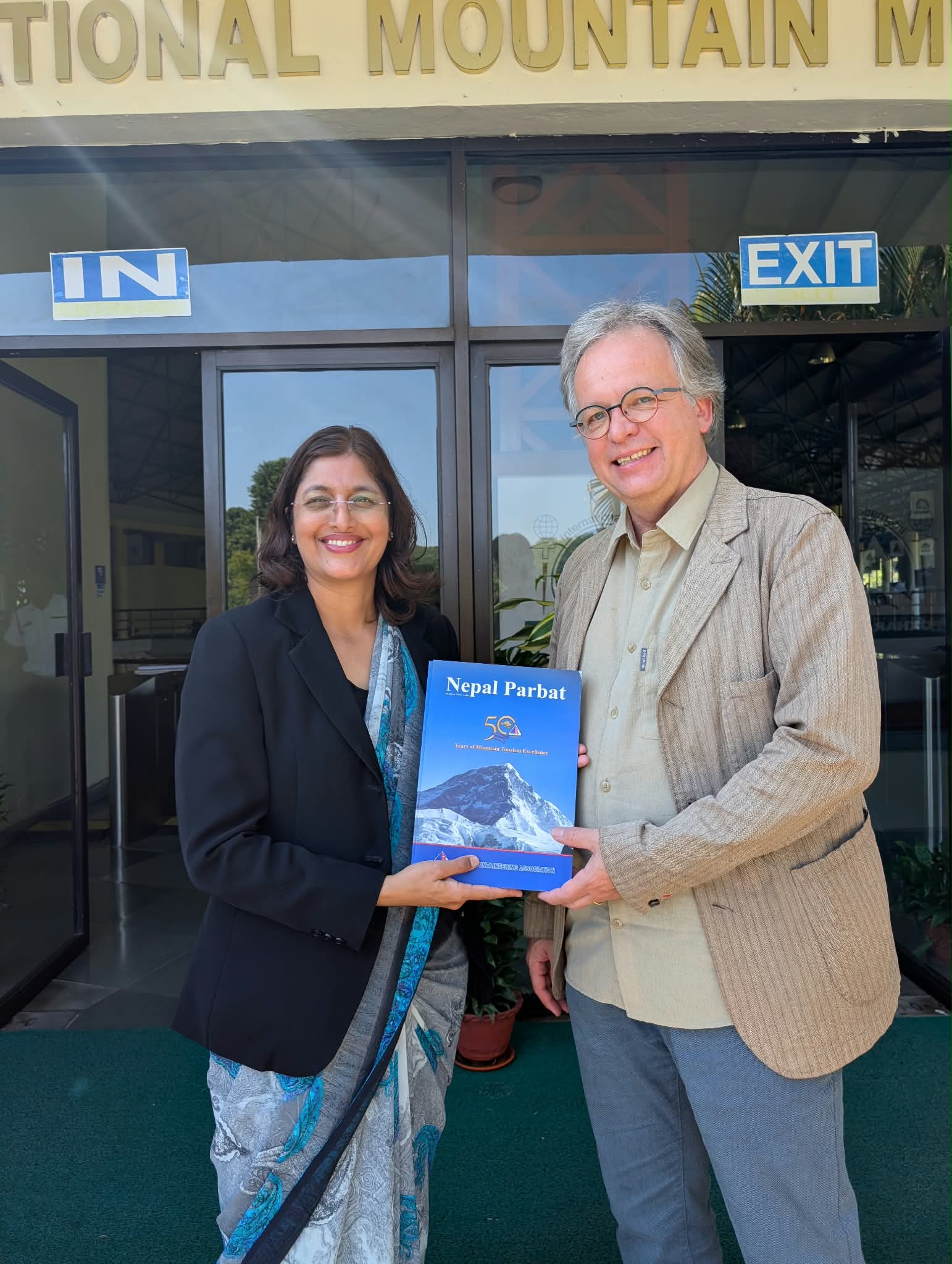
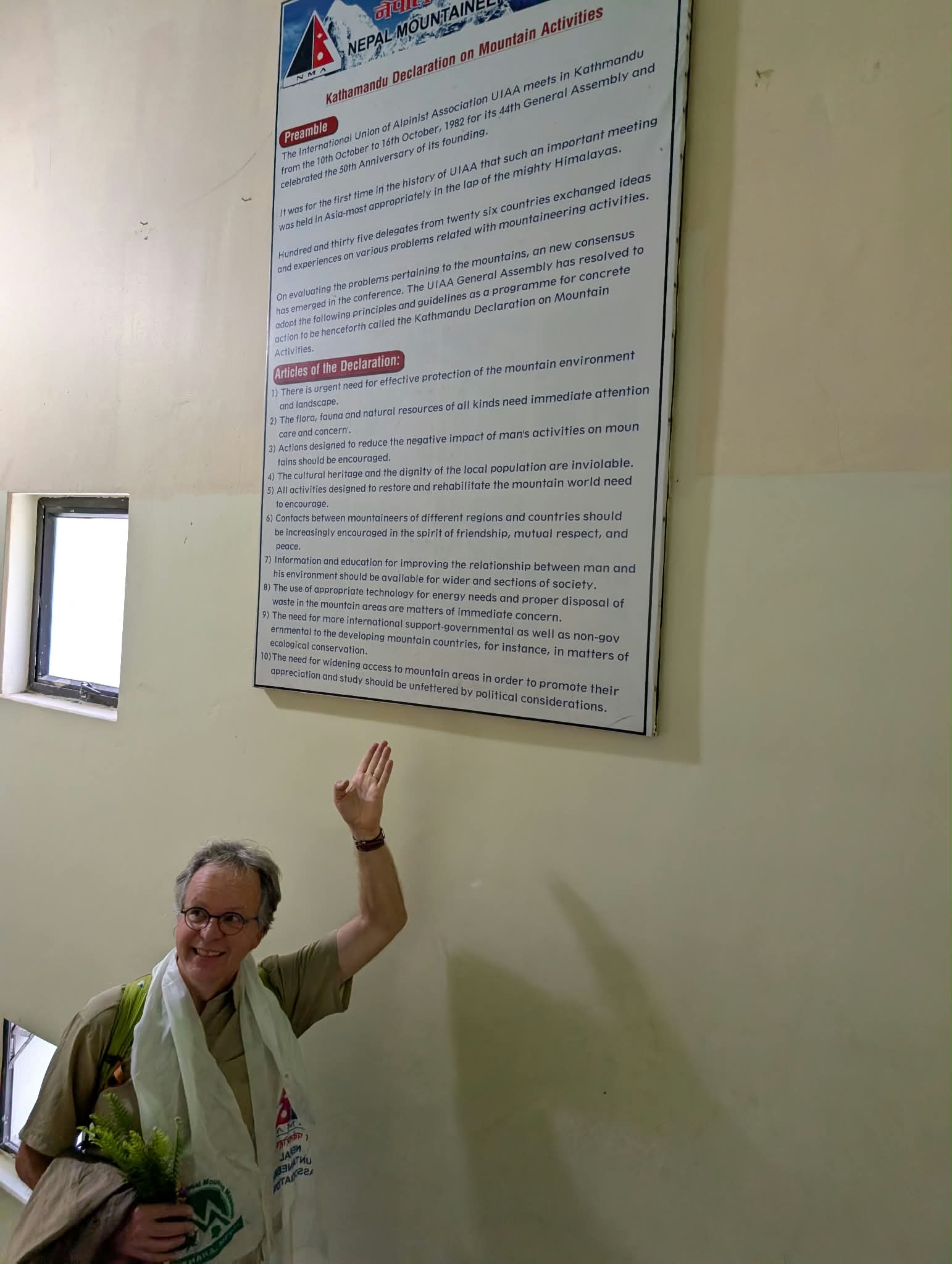
Back to Kathmandu takes the 1982 Kathmandu Declaration as its starting point. Its call to protect mountain environments and respect local communities gives us a way to look at both past intentions and present concerns. The project explores how people see, experience and protect mountain landscapes, through a documentary film and a travelling exhibition.
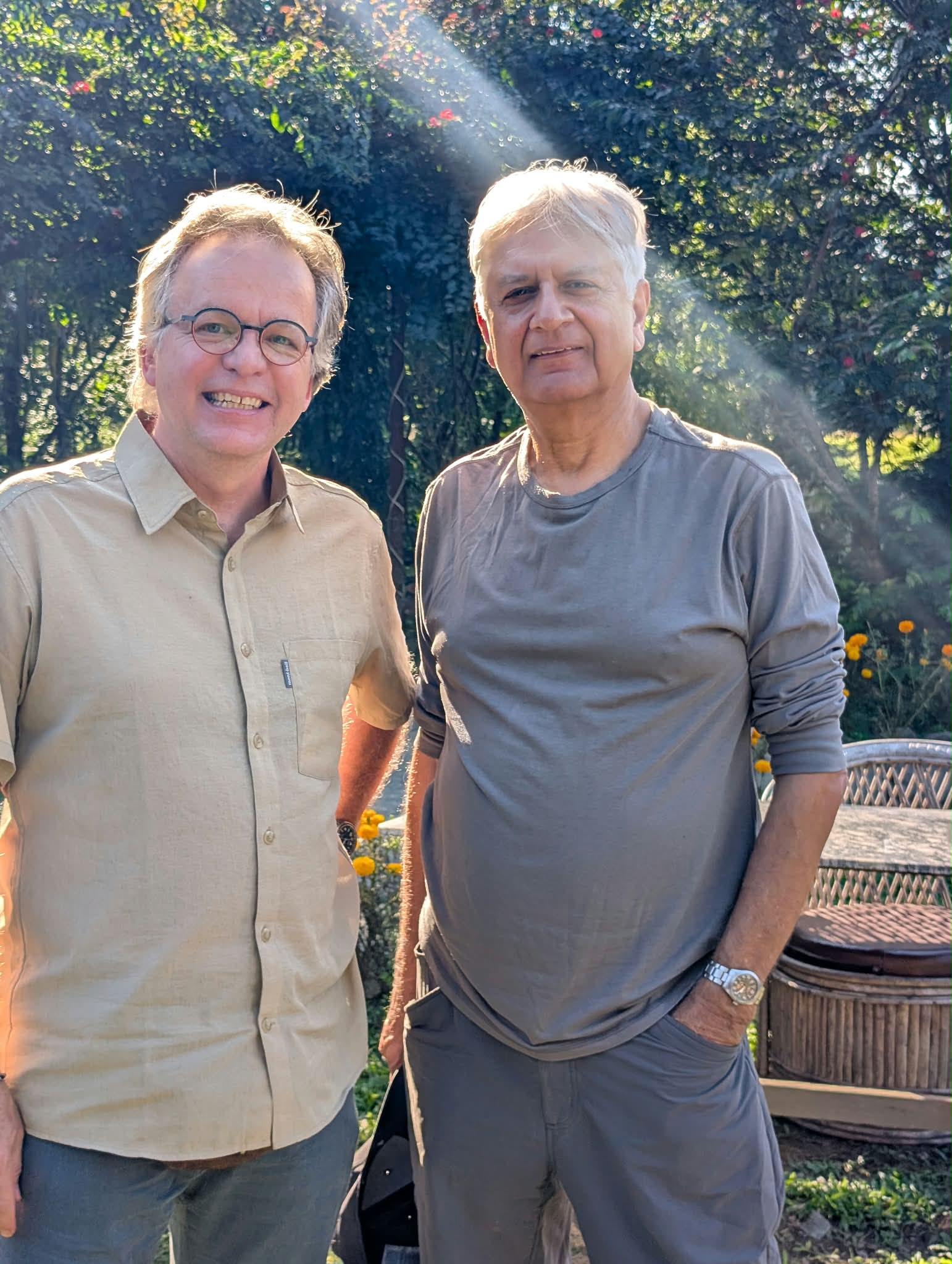
In Pokhara, we began gathering interviews and material for that work. Our first interviewee was Kunda Dixit, publisher of Nepali Times. At this stage, the task is to build a record of different perspectives and identify the questions that deserve more attention. We want to understand what mountain protection means to people with different histories and responsibilities, and how those meanings have evolved.
The next stage takes the team in two directions: conversations around the UIAA General Assembly in Kathmandu, and fieldwork in the Khumbu. This journal will follow both strands, sharing encounters, questions and the work behind the film as it develops.